
Paint rejection at your paint booth costs money three ways: rework labour, wasted paint, and delayed shipments. A well-run paint shop keeps rejection under 3%; a poorly-run shop loses 15 – 25%. This defects guide gives you the diagnostic framework and fix procedures for the 25 defects that account for 95% of all paint rejections across Autocoat's 375+ installed spray booths.
📋 25 Defects Covered
- Orange Peel
- Fisheyes / Craters
- Runs & Sags
- Dust Nibs / Dirt Inclusions
- Blistering
- Cracking / Crazing
- Poor Adhesion / Peeling
- Solvent Popping
- Cratering / Pinholes
- Uneven Colour / Mottling
- Metallic Streaking
- Overspray Fallout
- Bleeding / Stain Through
- Chalking / Fading
- Wrinkling / Rivelling
- Chip / Impact Damage
- Water Spotting
- Loss of Gloss
- Sanding Scratches Visible
- Edge Mapping
- Halos / Rings
- Colour Mismatch
- Orange Peel on Metallic
- Tiger Stripes
- Cure Wrinkles (Powder)
The 6 Root Causes of Every Paint Defect
Every paint defect traces to one of six variables. Learn the framework, diagnose fast:
| Variable | Typical Defects Caused |
|---|---|
| Paint | Wrong viscosity, contamination, expired stock → orange peel, cratering, fisheye |
| Spray Gun | Worn tip, wrong pressure, blocked nozzle → uneven pattern, runs, dry spray |
| Operator | Distance/angle/speed wrong → runs, dry spots, mottling, striping |
| Booth | Filter issues, airflow, temperature, humidity → dust nibs, popping, poor gloss |
| Substrate | Contamination, moisture, wrong prep → adhesion failure, blistering, bleeding |
| Environment | Ambient humidity, temperature, dust → water spots, cratering, loss of gloss |
The 25 Most Common Paint Defects
1. Orange Peel
Cause: Paint droplets fail to flow together before drying. Root causes: viscosity too high, gun distance wrong, atomising pressure low, temperature too low, airflow too fast.
2. Fisheyes / Craters
Cause: Silicone or oil contamination breaks paint surface tension. Sources: WD-40, hand lotion, contaminated compressed air, silicone-treated release agents.
3. Runs & Sags
Cause: Wet film exceeds gravity-holding capacity. Root causes: excessive film thickness, viscosity too low, gun too close, fluid pressure too high, no flash-off time.
4. Dust Nibs / Dirt Inclusions
Cause: Airborne dust settles on wet paint. Sources: clogged supply filter, dirty booth walls, operator clothing, contaminated compressed air, poor pressurisation.
5. Blistering
Cause: Trapped moisture or solvent vaporises through cured film. Root causes: wet substrate, insufficient flash time, high humidity, contaminated substrate, poor pretreatment.
6. Cracking / Crazing
Cause: Paint film too brittle or excessive film thickness. Root causes: over-curing, wrong paint chemistry for temperature exposure, cold-cracking from thermal cycling.
7. Poor Adhesion / Peeling
Cause: Bond to substrate failed. Root cause 90% of the time: inadequate pretreatment or contamination. Other causes: wrong primer chemistry, incompatible layers, over- or under-cure.
8. Solvent Popping
Cause: Solvent vaporises too quickly through paint film. Root causes: film too thick, wrong thinner grade for temperature, forced drying too aggressive, high humidity trapping solvent.
9. Cratering / Pinholes
Cause: Paint contamination, air bubbles from over-mixing, spraying on hot substrate, incorrect thinner evaporation rate.
10. Uneven Colour / Mottling
Cause: Inconsistent application, inadequate mixing, worn gun tip, incorrect overlap.
11. Metallic Streaking
Cause: Metallic flakes settle unevenly. Causes: wet film too thick, wrong spray technique, humidity out of range, inadequate final drop coat.
12. Overspray Fallout
Cause: Poor booth airflow captures spray inadequately, or spray gun pressure too high creating excessive rebound.
13. Bleeding / Stain Through
Cause: Solvent-sensitive undercoat, tannin from wood, tar or asphalt residue, incompatible paint layers.
14. Chalking / Fading
Cause: UV degradation of paint binder, wrong paint chemistry for outdoor exposure, insufficient UV stabiliser.
15. Wrinkling / Rivelling
Cause: Top skin dries faster than underlying paint. Root causes: film too thick, drying too fast, wrong thinner, cold substrate.
16. Chip / Impact Damage
Cause: Insufficient paint film thickness, poor adhesion, wrong paint chemistry for impact resistance.
17. Water Spotting
Cause: Water contaminates paint during drying. Sources: compressed air moisture, rain intrusion, condensation, humid ambient.
18. Loss of Gloss
Cause: Incomplete cure, dust nibs breaking surface, wrong paint chemistry, contamination during drying.
19. Sanding Scratches Visible
Cause: Sanding too coarse, insufficient primer, thin topcoat.
20. Edge Mapping
Cause: Solvent from new paint softens edge of old paint, or inadequate feather-edging during prep.
21. Halos / Rings
Cause: Solvent lift during blending, inadequate cure of undercoat, incompatible chemistry.
22. Colour Mismatch
Cause: Wrong colour formulation, metamerism (colour appears different under different lights), paint batch variation.
23. Orange Peel on Metallic
Cause: Metallic flakes disrupt paint flow-out, film too thick, wrong thinner for temperature.
24. Tiger Stripes
Cause: Metallic flakes align with spray direction, gun overlap insufficient, humidity too low.
25. Cure Wrinkles (Powder)
Cause: Powder film too thick, cure temperature too low, uneven substrate temperature.
How Much Do Paint Defects Cost?
Rejection cost varies by defect severity:
- Denib + polish (light nibs): ₹50 – 200 per part
- Sand + respray (medium defects): ₹250 – 800 per part
- Strip + repaint (severe defects): ₹500 – 2,000 per part
Typical rejection rates: well-run booth 1 – 3%, average 5 – 10%, poorly maintained 15 – 25%. For a 500 kg/day production at ₹40/sq ft, reducing rejection from 10% to 3% saves ₹2.5 – 4 lakh per month.
Investment in better filtration, humidity control, operator training and preventive maintenance typically pays back in 3 – 6 months.
Need Expert Help Diagnosing Recurring Paint Defects?
Autocoat's 40+ year paint booth engineers can audit your paint shop, identify root causes and recommend targeted upgrades. Free onsite audit for Autocoat booths, paid audits for other manufacturers.
Request Paint Shop Audit →Frequently Asked Questions
What causes orange peel in paint finish?
Paint droplets fail to flow together before drying. Fix: thin paint 5 – 10%, gun distance 20 – 25 cm, atomising pressure 3 – 4 bar, booth 20 – 25 °C, reduce fan speed 10 – 15%.
How do I fix fisheyes in paint?
Fisheyes caused by silicone or oil contamination. Ban silicone products, install 0.01 micron oil filter on air, degrease workpiece, filter paint through 190 micron mesh.
Why does paint run or sag?
Wet film exceeds gravity capacity. Fix: wet film 40 – 60 microns, gun distance 20 – 25 cm, correct fluid pressure, 3 – 5 min flash between coats.
What causes paint blistering after curing?
Trapped moisture or solvent vaporises through film. Fix: substrate moisture < 1%, allow flash time, humidity < 65% RH, verify pretreatment quality.
How do I prevent paint cratering?
Filter paint through 190 micron, no over-mixing (avoid whipping air), cool substrate below 40 °C, correct thinner for temperature.
What causes poor paint adhesion or peeling?
90% of the time: inadequate pretreatment. Use 7-tank zinc phosphate for automotive/outdoor, verify substrate cleanliness, correct primer for substrate.
What causes uneven colour or mottled metallic?
Agitate paint 5 – 10 min, constant atomising pressure, 50% overlap, single-direction final metallic coat, humidity 40 – 65% RH.
How do I remove dust nibs?
Small nibs: 3000 grit polish. Medium: denib and 1500 grit polish. Large: sand and respray. Prevention: replace supply filter every 500 hr, positive booth pressure.
What causes solvent popping?
Solvent vaporises too fast. Reduce film to 40 – 60 microns wet, use slower thinner in hot booth, allow flash time, ramp cure gradually.
How much do paint defects cost?
Denib ₹50 – 200, respray ₹250 – 800, strip ₹500 – 2,000 per part. Reducing rejection from 10% to 3% saves ₹2.5 – 4 lakh/month on 500 kg/day production.
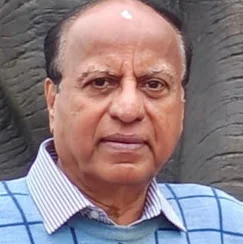
About the Author
Umesh Prabhu — Founder & Managing Director, Autocoat Engineering India Pvt Ltd
Umesh Prabhu is a mechanical engineer, industrial consultant, and founder of Autocoat Engineering India Private Limited. With over 40 years of experience in industrial painting and surface finishing, he specializes in industrial paint shops, powder coating systems, automated painting solutions, paint booths, and energy-efficient plant design. His industry experience includes working with leading automotive and manufacturing companies such as Tata Motors and Bajaj Auto.
Connect on LinkedIn