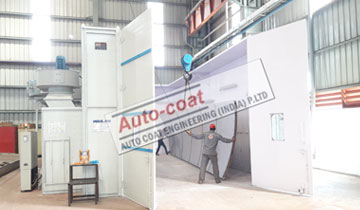
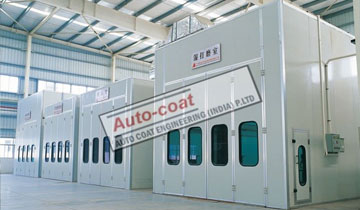
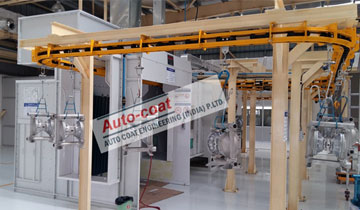
About Autocoat Engineering
 We Conceive Design , Engineer,
Manufacture & Stands Behind Our Products Autocoat Engineering has been leading manufacturer
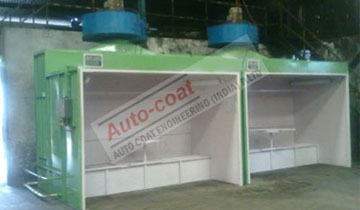
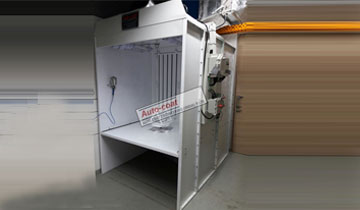
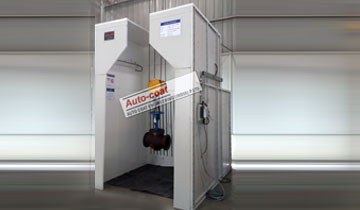
of variety of spray booths , downdraft paint booths , side draft painting booths ,
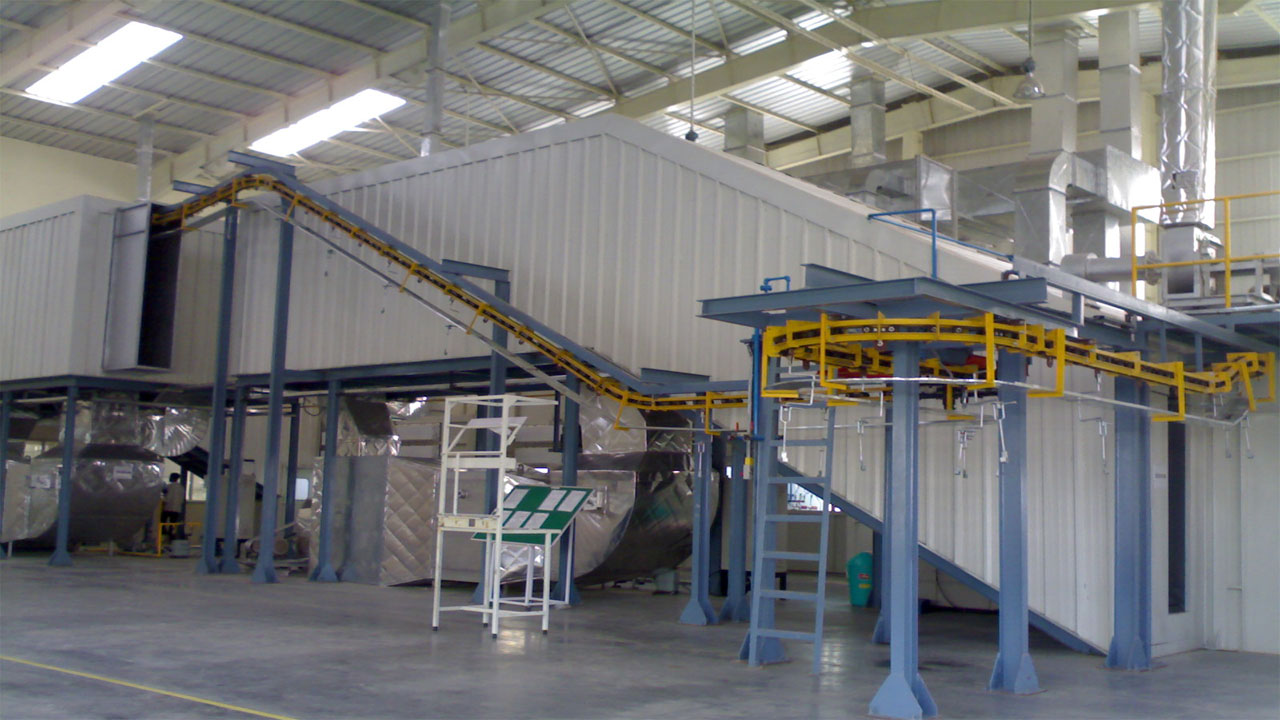
Conveyorised painting plants , customized spray paint booths
since 1985.
We Conceive Design , Engineer,
Manufacture & Stands Behind Our Products Autocoat Engineering has been leading manufacturer
of variety of spray booths , downdraft paint booths , side draft painting booths ,
Conveyorised painting plants , customized spray paint booths
since 1985.
For the last 35 years Autocoat Engineering is constantly promoting morden technology in all
kinds of product coating & metal finishing. Manufacturing Paint booth for large products ,
Automobile sectors, Home appliances , construction sector has been our major strength for
newer and superior spray painting booths.
Our Aim is to be create most admired Product Coating equipment & Metal Finishing Plants in
the India & overseas. Autocoat Engineering (I) pvt Ltd has designed and supplied over
300Plants. We dedicated our Success to a Business Philosophy that stresses on“ Technical
Excellences , Ethics and Committed customer Service”. Spray Booth manufactured by
Autocoat go through lot of detailed working from enquiry stage to final commissioning. At
enquiry & marketing stage Autocoat engineers analyze each and every detail of the customer
product and suggest the rite Paint booth for the painting application. Detailed designing &
drawing work is been carried out keeping in mind final goal. During manufacturing of these
painting booths best quality raw material goes in as input, after series of cutting ,bending
and hole punching activities the rite spray painting booth enclosures are created ,which
then passes through surface treatment solutions & painting coats. Autocoat Engineering (I)
Pvt Ltd paint booths are completely bolted designed and can easily be dismantled and shifted
to any location with lowest hassles. Painting Booth exhaust Blowers , Motors , Circulation
Pumps , Burners are the heart of our systems for which Autocoat uses top class & branded
equipment with high efficiency as per customized requirement. Rigorous trials of the
Spray booth & Paint drying ovens are carried out in our factory to make sure no
ambiguities left behind which would obstruct site assembly or commissioning process.
Why to consider
Autocoat?
With constant hard work , dedication , modernization , updating , Autocoat has been able to
caterer spray booth, downdraft paint booths , side draft painting booths , Conveyorised
painting plants , customized spray paint booths to most of the sates of India , Uae
Sharjah , Saudi , Bahrain. Autocoat Engineering is also a registered vendor for India’s
prestigious organizations like Hindustan Aeronautics , Ordinance factory , Bharat Dynamics
Ltd for supply of Paint Booths & Pretreatment plants. Autocoat Engineering takes pride in
making superior maintenance manuals which are been given to customer at the time of
commissioning. These painting booth manuals contain vast knowledge on spray painting booth
running methods , periodic maintenance , easy guided paint shop laminations , spray gun
settings & many more etc . Relation with our customers , routine service check ups , regular
guidance has been major key to retain all existing customers and repetitive orders. Lastly ,
please feel free to send us an email with all your queries to get the right Spray booth for
your product.